

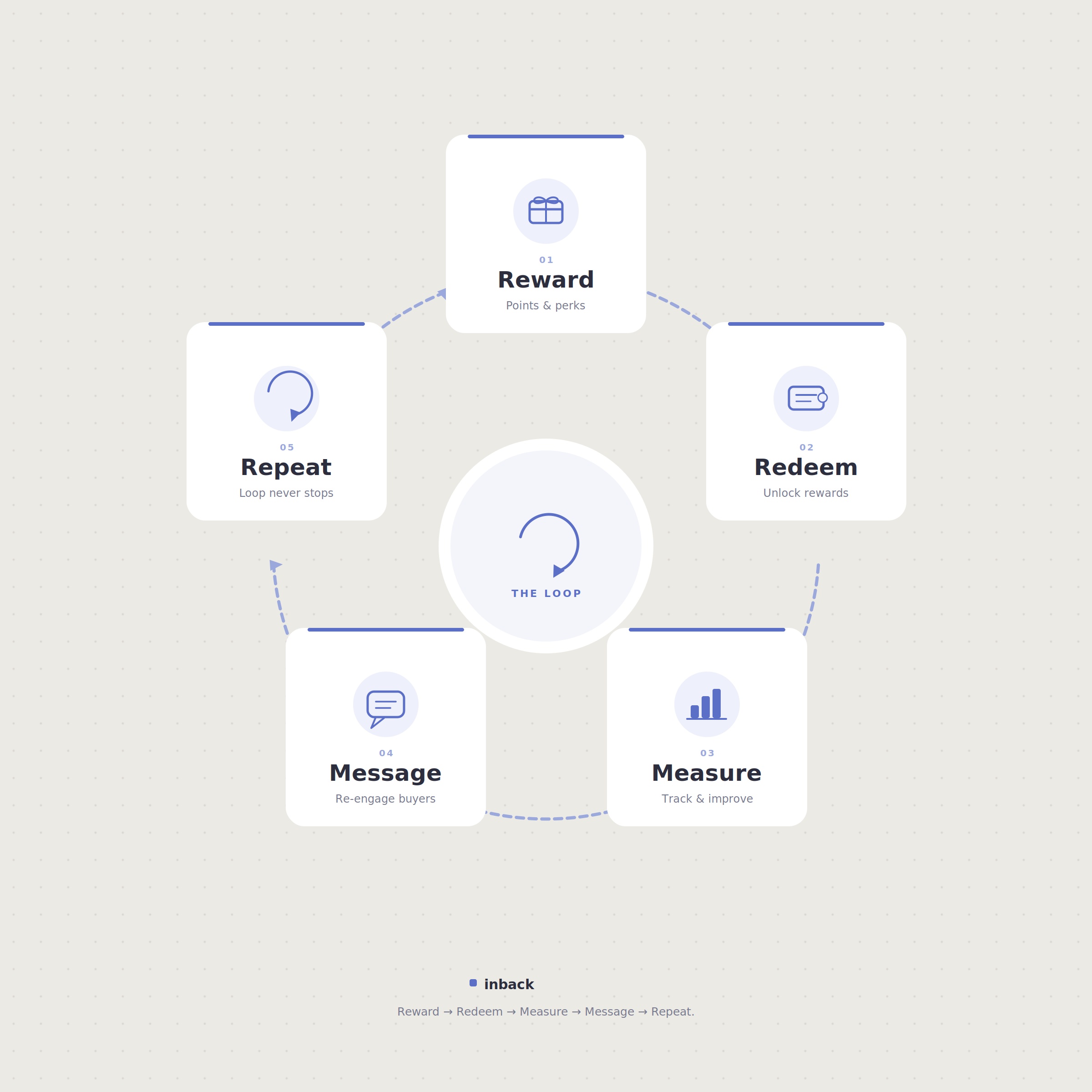
41% of an e-commerce store’s revenue can come from just 8% of its customers, but early-stage owners spend 90% of their budget chasing the other 92%.
The budget that early-stage owners make should be the most efficient investment that creates a domino effect to keep the ball rolling and the costs covered. Allocating it all to one-time acquisition is like blocking the domino effect. Early-stage Shopify owners make many mistakes that lead to them choosing the wrong loyalty programs for their stores.
Loyalty programs are an aid in disguise. It does 3 things right—
- Converts the one-time acquisition into repeat sales
- Cultivates trust among your customer base
- Give funds space to breathe and channels to optimize
Running after a one-time sales acquisition costs big, cuts your energy, and creates only temporary momentum in sales.
This blog will help all the early-stage Shopify owners and all the other new e-commerce store owners to pinpoint exactly what’s wrong with their loyalty programs and why some loyalty tools aren’t built for them.
Know if your brand is working
The customer landscape exists to understand what loyalty programs should be tailored for specific customers. Your loyalty decisions are based on who is buying your products, are they coming back, how often are they purchasing products, what products are they liking, etc.
If you don’t understand this early in your store journey, you might lose a lot of touchpoints for collecting data that will help you improve your retention strategy in the future.
Most loyalty tools are designed for brands that already have brand authority. They’re layered systems such as referrals, gamification, memberships, and AI-powered segmentation built for stores that have already validated their retention loop.
Installing the highest-rated loyalty app and turning on points-per-dollar rewards often results in only 3% of customers ever redeeming anything because the foundation of a reward system is highly dependent on your customer preference.
Early-stage loyalty tools teach you first; other heavy feature-loaded apps cannot give you the same clarity. So your first step towards understanding your customer landscape better is to know who is buying and how much of your products get the highest repeat purchases.
Hyper-customized tools are perfect for big stores where high-frequency orders are usual. Small store owners should be focusing on understanding their product value with the help of basic loyalty tools to not overcomplicate their sales journey.
Shopify Loyalty Programs That Aren’t Built for You.
Maximalist Features
There are so many loyalty apps with a ton of features packed with powerful suites that can give you wide access to tools that, when used strategically, give you good outcomes; otherwise, they just mess with your clean strategy.
Remember this.
Choosing a tool that gives you the right features > Choosing a tool that gives you 100 features
From free tiers to powerful paid software packed with options, picking the right loyalty app can feel challenging, and that complexity is precisely the problem for a store doing under 500 orders a month.
Complexity
Currently the system runs on heavy customization that makes the customer feel seen. Every loyalty app integrates POS, gamification badges, AI segmentation, multi-language, and spin wheels.
It sounds exciting to package everything up for customers, but if they’re not really using these gamification tools, your funds will drown in only the potential of retention.
Enterprise-Level Pricing
This already makes sense since small Shopify owners can’t afford enterprise-grade pricing.
Retention costs 5–25x less than acquisition, but you won’t see that ROI if you’re paying $150+/month for features you don’t understand yet.
VIP Tier and Brand Potential
The true potential of a brand can be understood by its community. VIP Tier helps build just that.
It tells you about the customers who already value your brand enough to change behavior for status. If no one is reaching Tier 2, it means the brand hasn’t given customers a strong enough reason to stay loyal yet.
This is especially important for early-stage Shopify stores selling in competitive niches like fashion, skincare, supplements, and home goods, where the product alone doesn’t differentiate.
Brand pull vs. discount pull –
A customer who climbs your VIP tier because they love your brand is worth 10x a customer who redeems a discount once. Inback’s VIP Tiers helps you navigate that pull.
The formula for low entry spend and gradually raising the bar as you understand your customer’s average purchase frequency works, and it makes the process easier to execute.
Most Valuable Features
Inback is a tool that primarily serves early-stage Shopify owners. It’s for the new owners who want to test and realize their value in the loyalty market.
Inback’s metrics feature builds brand intelligence. You’ll know who purchases and how many of the products are becoming bestsellers. The difference between a well-rounded loyalty program and a basic setup is knowing your bestsellers. It helps you create a brand where you know your strength from day one to fabricate robust product strategies in the future.
- Post-Purchase Message
All the features, tools, and tiers are redundant without a simple message that reaches your customers in time to let them know that you care.
Studies say that the order confirmation email is opened by 70%+ of recipients. This is the easiest and the most accessible part of the entire marketing journey. The engagement rate is high, and so is your timeframe to make the best impression. This serves as a free communication channel that can leverage your brand’s impression. Making the most out of this leverage will help you with retention.
Loyalty does not start after sales.
The worst assumption a brand can make is about fitting loyalty programs after making all the marketing strategies. Loyalty is a part of marketing, and it should be treated with utmost importance since it is not a mere software you integrate; it carries the burden of increasing lifetime customer value.
As loyalty markets are growing, stores need to understand that loyalty starts before a sale happens. Loyalty prepares the seller to predict future sales and a safe margin that’s booked for a few sale cycles, as it highly depends on the value of the customers. If sales is your target, loyalty should be the next best target.
It needs to be pre-planned and well designed.
Conclusion
In 2026, as loyalty programs become more complicated, Shopify store owners need not be overwhelmed by the amount of tools in the market. It is important to plan well, understand the loyal audience, and nurture them with privileges that make a brand-to-customer relationship stable.